


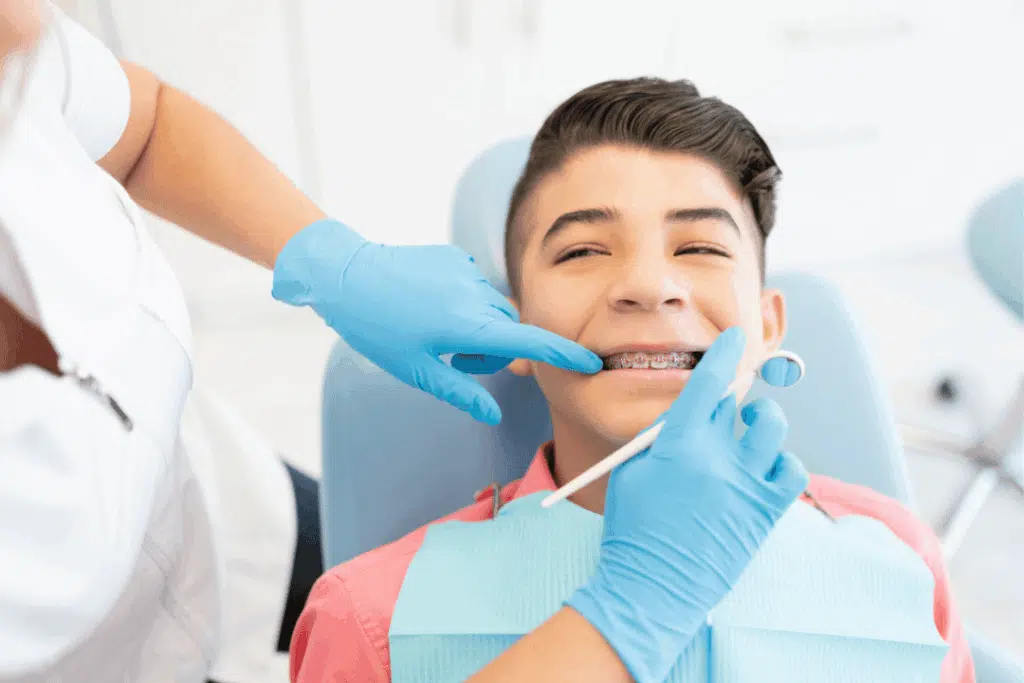
Braces mouth sores happen due to friction from brackets and wires rubbing against the cheeks, lips, or tongue. They are common during the first few weeks of treatment but usually improve as your mouth adjusts or with proper protection and orthodontic wax.
Braces mouth sores are a common, often painful side effect of wearing braces. They usually happen where brackets or wires rub against the inside of your lips, cheeks, or gums, and that irritation can make brushing and eating uncomfortable. This guide explains why sores form, how to prevent them, and practical steps you can take to ease pain and speed healing. Read on for clear prevention strategies, relief tips, daily oral-care advice, and guidance on when to see a professional.
What Causes Mouth Sores When Wearing Braces?
Several things can trigger braces mouth sores during orthodontic treatment. The most common cause is mechanical friction: brackets, wires, and other hardware repeatedly rubbing against soft mouth tissues. That constant irritation can lead to inflammation and ulcers. Poor oral hygiene allows plaque to build up and irritate the gums, making sores more likely. Stress and minor trauma — for example, after an adjustment — can also lower resistance to ulcers and worsen symptoms.
How Does Braces Friction Lead to Orthodontic Mouth Ulcers?
Brackets and wires create small, repeated friction points where they contact soft tissue. Over time those rubbing motions can damage the surface lining of the mouth, causing inflammation and painful ulcers. People with naturally sensitive tissues or those new to braces often notice these symptoms sooner and more intensely.
What Role Does Poor Oral Hygiene Play in Braces Irritation?
Good brushing and flossing are crucial when you have braces. If plaque and food debris aren’t removed, the resulting irritation and inflammation make the mouth more vulnerable to sores. Keeping teeth and appliances clean reduces bacterial buildup and lowers the chance that small irritations turn into painful ulcers.
How Can You Prevent Mouth Sores From Braces?
You can cut the risk of sores with a few proactive habits and easy-to-find products. Small changes — applied consistently — make wearing braces far more comfortable and protect oral health.
Braces Mouth Sores: Key Information at a Glance
This table summarizes essential information about braces mouth sores, including their causes, prevention techniques, and recommended relief methods. Understanding these factors can help you manage discomfort effectively during orthodontic treatment.
| Aspect | Details | Recommended Actions |
|---|---|---|
| Causes | Mechanical friction from brackets and wires, poor oral hygiene, stress, and minor trauma. | Maintain good oral hygiene and manage stress levels. |
| Prevention Techniques | Regular brushing, use of orthodontic wax, and antibacterial mouth rinses. | Brush after meals, apply wax on sharp brackets, and use mouth rinses daily. |
| Relief Methods | Saltwater rinses, topical gels, and home remedies like honey and aloe vera. | Rinse with warm saltwater, apply topical gels, and use honey or aloe vera on sores. |
By understanding the causes, prevention techniques, and relief methods for braces mouth sores, you can take proactive steps to minimize discomfort and promote healing during your orthodontic journey.
Which Prevention Techniques and Products Are Most Effective?
- Regular Brushing : Brush after meals to remove food and plaque that can irritate soft tissues.
- Orthodontic Wax : Place a small amount of wax over sharp brackets or wires to form a smooth, protective surface.
- Mouth Rinses : Antibacterial or antiseptic rinses help control bacteria and lower the risk of infection around irritated areas.
How Does Orthodontic Wax Help in Preventing Braces Sores?
Orthodontic wax creates a soft barrier between your braces and the inside of your mouth. Applied to a bothersome bracket or wire, it reduces direct rubbing and gives sore spots a chance to heal. It’s inexpensive, easy to use, and one of the fastest ways to improve comfort.
What Are the Best Relief Tips for Braces Mouth Sores?
If mouth sores from braces appear, several simple remedies can ease pain and support healing. Use the options below to find quick, practical relief.
How Do Saltwater Rinses and Topical Gels Alleviate Pain?
Rinsing with warm saltwater gently reduces inflammation and cleans the area, creating a better environment for healing. Over-the-counter topical gels with mild anesthetics (for example, benzocaine formulations labeled for oral use) can numb the sore temporarily and provide a protective layer while you eat or speak.
What Home Remedies Support Faster Healing Time for Mouth Sores?
- Honey : Applied topically, honey’s natural antibacterial properties can soothe and support healing.
- Aloe Vera : Aloe’s calming, anti-inflammatory effects may reduce pain and swelling when used carefully on the sore.
- Cold Compresses : A cool compress pressed gently against the outside of the mouth can numb pain and help control swelling.
How Should You Maintain Oral Hygiene With Braces to Avoid Sores?
A consistent, targeted oral-care routine lowers the chance of sores and keeps your treatment on track. Use tools designed for braces and follow daily habits that protect both teeth and soft tissue.
What Oral Hygiene Products Are Recommended for Orthodontic Patients?
Consider these products made for braces wearers:
- Orthodontic Toothbrushes : Designed with angled or tapered bristles to clean around brackets more effectively.
- Fluoride Toothpaste : Helps strengthen enamel and reduce the risk of decay while you’re wearing appliances.
- Interdental Brushes : Small brushes that reach between wires and brackets to remove trapped food and plaque.
- Water Flossers : Useful for flushing debris from around brackets and reducing plaque buildup.
Which Daily Care Practices Reduce Braces Irritation Risks?
- Consistent Routine : Brush and clean between teeth daily to prevent plaque-related irritation.
- Avoid Hard and Sticky Foods : Skip items that can bend wires or worsen rubbing — think popcorn, hard candies and chewy sweets.
- Stay Hydrated : Drinking water keeps tissues moist and can ease mild irritation.
When Is It Necessary to See a Dentist for Braces Mouth Sores?
Many sores improve with home care, but some signs mean you should contact your dentist or orthodontist. Getting help early can prevent complications and speed recovery.
What Signs Indicate Infection or Complications?
- Persistent Pain : If discomfort doesn’t ease with home treatments, it could signal infection or another problem.
- Swelling : Noticeable swelling around the sore or jaw should be checked.
- Fever : A fever together with oral sores suggests an infection that needs professional care.
- Sores Lasting More Than Two Weeks : Any ulcer that doesn’t heal within two weeks should be evaluated by a clinician.
How Can Professional Care Improve Mouth Sore Healing?
Your dentist or orthodontist can offer targeted treatments — prescription rinses or topical medications, protective coatings, or adjustments to the appliance — that speed healing and reduce pain. They can also check for underlying issues that home care won’t address.
Conclusion
Mouth sores are a common but manageable part of orthodontic care. With consistent oral hygiene and guidance from Dr. Tanya Vaysman, along with protective products like orthodontic wax and simple home remedies, you can reduce discomfort and speed healing.
If a sore doesn’t improve or you have signs of infection, contact your dental team — timely care keeps your treatment comfortable and on track. For more practical tips and step-by-step guidance, explore our resources.
Call us at (201) 248-6732 to schedule your consultation at our office located at 162 Closter Dock Road, Closter, NJ, where you’ll receive personalized orthodontic care and expert support throughout your treatment journey.
Frequently Asked Questions
Can mouth sores from braces lead to other dental issues?
Yes. Untreated or persistent sores can become secondarily infected. Also, if pain keeps you from brushing or flossing properly, plaque can build up, increasing the risk of cavities and gum disease. Treat sores promptly and keep up with oral hygiene to avoid those problems.
Are there specific foods to avoid when wearing braces to prevent mouth sores?
Yes. Hard, crunchy or sticky foods can worsen irritation and damage appliance components. Avoid popcorn, nuts, hard candies and chewy snacks. Choose softer, easier-to-chew options until your mouth adjusts.
How long do mouth sores typically last for orthodontic patients?
Most minor sores heal within a few days to about two weeks with proper care. If a sore persists beyond two weeks or gets worse, see your dentist or orthodontist for evaluation.
What are the best over-the-counter treatments for braces-related mouth sores?
Over-the-counter options include topical gels with mild anesthetics (like benzocaine), antiseptic mouth rinses, and oral pain relievers such as ibuprofen or acetaminophen. Follow product directions and check with your clinician if pain continues.
Can stress contribute to the development of mouth sores in braces wearers?
Yes. Stress can weaken your immune response and make you more prone to ulcers. Stress-related habits like teeth grinding may also increase irritation. Managing stress and practicing good self-care can lower the chance of sores.
Is it safe to use home remedies for mouth sores while wearing braces?
Many home remedies are safe and soothing — saltwater rinses, honey, and aloe vera can help. Be sure any topical you use won’t stick to or damage your appliance, and check with your orthodontist before trying something new.