


After months, or sometimes, years of wearing braces, having them removed is an exciting milestone. Your teeth feel smooth, your smile looks straighter, and you are eager to show off your new results. However, many patients do not realize that the end of braces does not mean the end of orthodontic care. In fact, maintaining your new smile is just as important as the treatment that created it. Proper post braces care plays a crucial role in keeping your teeth aligned, healthy, and beautiful for years to come.
Below is a comprehensive guide by Smile Orthodontists, explaining what to expect after your braces are removed, why these steps matter, and how to maintain your results with confidence and ease.
Why Post-Treatment Care Matters
Orthodontic treatment works by applying controlled pressure on your teeth, guiding them into new positions. Once the braces come off, the periodontal ligament, which stabilizes each tooth in the jaw, needs time to adapt. Without the right support and care, teeth can drift back toward their original positions. This natural tendency, called orthodontic relapse, can occur at any age.
This is why post-braces care is not optional. It is a vital continuation of your orthodontic journey. Proper care ensures the investment you have made in your smile lasts a lifetime.
Wearing Your Retainer Is Essential
The single most important part of post braces care is wearing your retainer as instructed. Retainers act as a protective barrier that keeps freshly aligned teeth in place while the surrounding tissues stabilize.
Types of Retainers
Most orthodontic patients receive one or more of the following:
- Hawley Retainer A removable acrylic and wire retainer that is durable and adjustable.
- Clear Essix Retainer A transparent, removable retainer that fits snugly over the teeth.
- Fixed (Bonded) Retainer A thin wire attached to the back of the front teeth to prevent shifting.
Your orthodontist will recommend the type that best fits your needs and lifestyle.
How Long Should You Wear a Retainer?
Most patients must wear retainers full-time for several months. After that, nighttime wear is recommended indefinitely. Long-term retainer use is the key to preventing orthodontic relapse.
Scheduling Regular Orthodontic Checkups
Even after braces are removed, follow-up visits help ensure everything remains stable. During these appointments, your orthodontist checks your bite, examines retainer fit, and makes any necessary adjustments. These visits also help detect early shifting or other concerns so they can be corrected quickly.
Most patients schedule post-braces visits a few times in the first year and then once or twice annually.
Maintaining Excellent Oral Hygiene
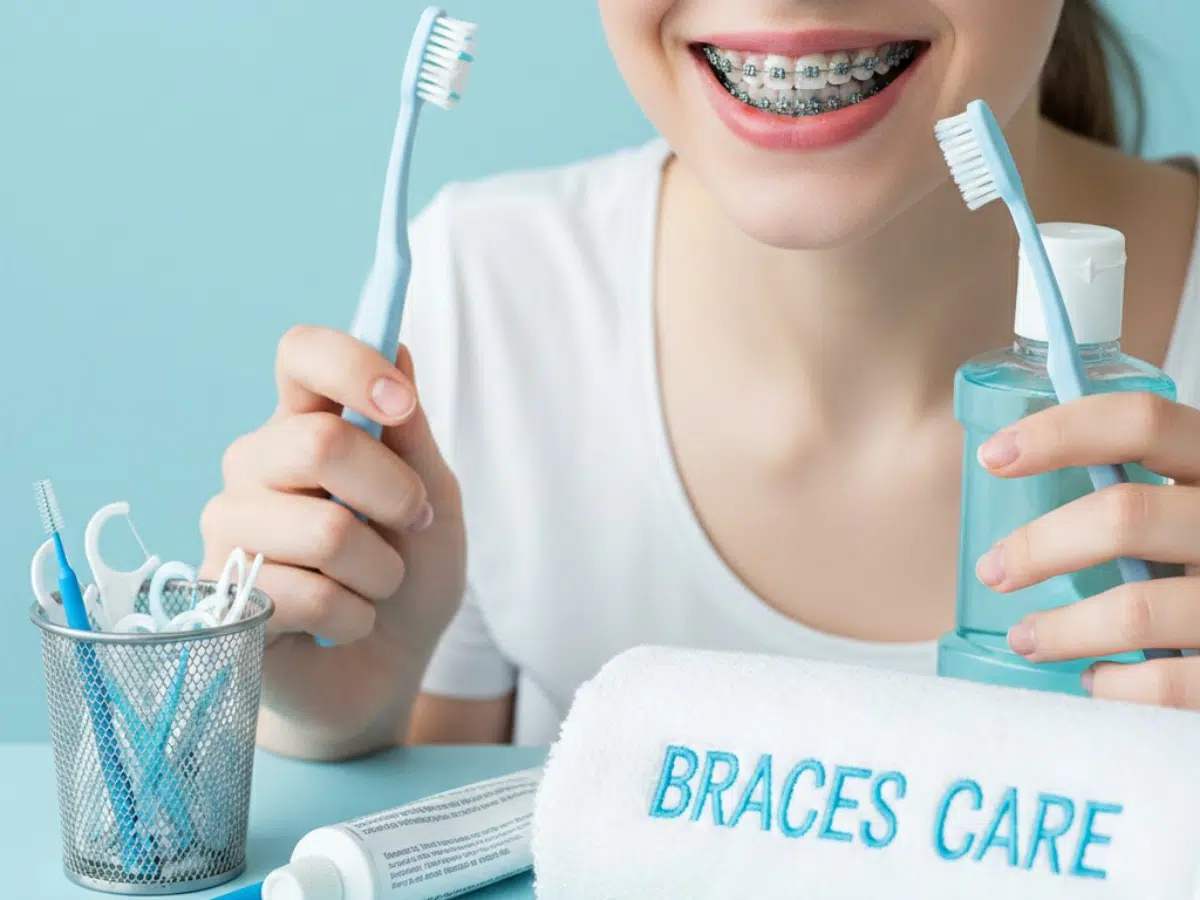
Once braces come off, your enamel may feel sensitive, and the areas where brackets were attached may need extra attention.
Brush Twice Daily
Use a soft-bristle toothbrush and a fluoride toothpaste to strengthen enamel and remove plaque.
Floss Daily
This is essential for preventing gum inflammation and cavities between the teeth.
Consider an Antimicrobial Rinse
A mouthwash can help reduce bacteria levels and promote gum health.
Professional Cleanings Every Six Months
Dental cleanings remove tartar and help maintain a healthy smile long term.
Monitoring for Shifting or Pressure
If your retainer suddenly feels tighter or uncomfortable, it may be a sign that your teeth are beginning to shift. This should never be ignored. Small changes can often be corrected quickly when they are addressed early.
Contact your orthodontist if you notice:
- A change in your bite
- Teeth moving or spacing changes
- A retainer that does not fit properly
- Pressure or discomfort in specific teeth
Prompt care can prevent bigger problems later.
Protecting Your Smile from Teeth Grinding
Some patients develop teeth grinding, also called bruxism, after orthodontic treatment. Grinding can wear down enamel, cause jaw discomfort, and disrupt alignment. If you experience jaw soreness, broken retainers, or morning headaches, your orthodontist may recommend a nightguard or retainer modification.
Avoiding Habits That Can Damage Teeth or Retainers
Even after braces, certain habits can compromise your smile or damage your retainer.
Try to avoid:
- Biting hard foods such as ice or hard candies
- Chewing pens, fingernails, or other objects
- Eating sticky foods that can distort retainers
- Drinking acidic or sugary beverages without rinsing afterward
A mindful diet and good habits support long-term dental health.
Whitening Options After Braces
Once your teeth have had time to adjust, whitening can be a great finishing touch. Professional whitening, custom trays, and whitening strips are common options. Always confirm with your orthodontist or dentist before beginning any whitening treatment to ensure that your enamel is ready.
Staying Consistent for Long-Term Success
The goal of orthodontic treatment is not only straight teeth but also a healthy and well-functioning smile that lasts. Consistency is the secret to protecting your results. By following your retainer schedule, maintaining strong oral hygiene habits, and attending follow-up appointments, you give yourself the best chance of keeping your teeth perfectly aligned.
Ready to Protect Your New Smile?
Your orthodontic journey does not end when the braces come off. The steps you take now will determine how long your beautiful results last and how healthy your smile stays in the years ahead. Whether you need guidance on retainer care, help preventing shifting, or support in maintaining excellent oral hygiene, our team is here to make the process simple, comfortable, and effective. At Smile Orthodontists in Closter, NJ, our team is committed to giving every patient the confidence that comes from a well-maintained, beautifully aligned smile.
Book your appointment with our trusted orthodontist in Closter, NJ, and Bergen County today, and let the expert team at Dr. Tanya Vaysman, guide you toward a healthier, more confident smile that lasts a lifetime.
Frequently Asked Questions
How long do I need to wear my retainer after braces?
Most patients should wear their retainer full-time for several months and then nightly for life. Long-term wear prevents teeth from shifting.
Can I switch to Invisalign if my teeth shift after braces?
Yes. Many patients choose Invisalign treatment as a comfortable and discreet way to correct minor shifting or relapse after braces. An orthodontic evaluation will determine if Invisalign is right for you.
What should I do if my retainer breaks or becomes lost?
Contact your orthodontist right away. A damaged or missing retainer can cause unwanted tooth movement.
Is it normal for my teeth to feel loose after braces are removed?
Yes. This is temporary and part of the natural stabilization process.
Can my teeth shift even if I wear my retainer?
Minor changes can still occur over time, but consistent retainer use significantly reduces shifting.
When can I whiten my teeth after braces?
Most patients can begin whitening two to four weeks after removal, once sensitivity settles.
Do I still need routine cleanings after braces?
Yes. Dental cleanings every six months are important for maintaining gum and enamel health.