Invisalign vs. braces: both straighten teeth effectively, but the right choice depends on your case complexity, lifestyle, and goals. Braces are ideal for complex bite issues and work continuously, while Invisalign offers a removable, nearly invisible option best suited for mild to moderate correction.
The Invisalign vs. braces decision is one of the biggest you’ll make at the start of orthodontic treatment. Choosing between Invisalign and traditional braces affects your comfort, appearance, and daily routine. Both can give you a healthier, straighter smile, but they differ in appearance, comfort, cost, and the types of problems they treat best. This guide breaks down how each option works, compares them side by side, and helps you decide which is the better fit. Read on for a clear comparison, cost and timeline expectations, lifestyle considerations, and answers to the questions patients ask most.
How Do Invisalign and Braces Work?
Before settling the Invisalign vs. braces question, it helps to know how each treatment works. Both apply gentle, controlled pressure to move teeth into better alignment over time, but they do it in different ways. Understanding the mechanics helps you set realistic expectations for comfort, maintenance, and results.
How Does Invisalign Straighten Teeth?
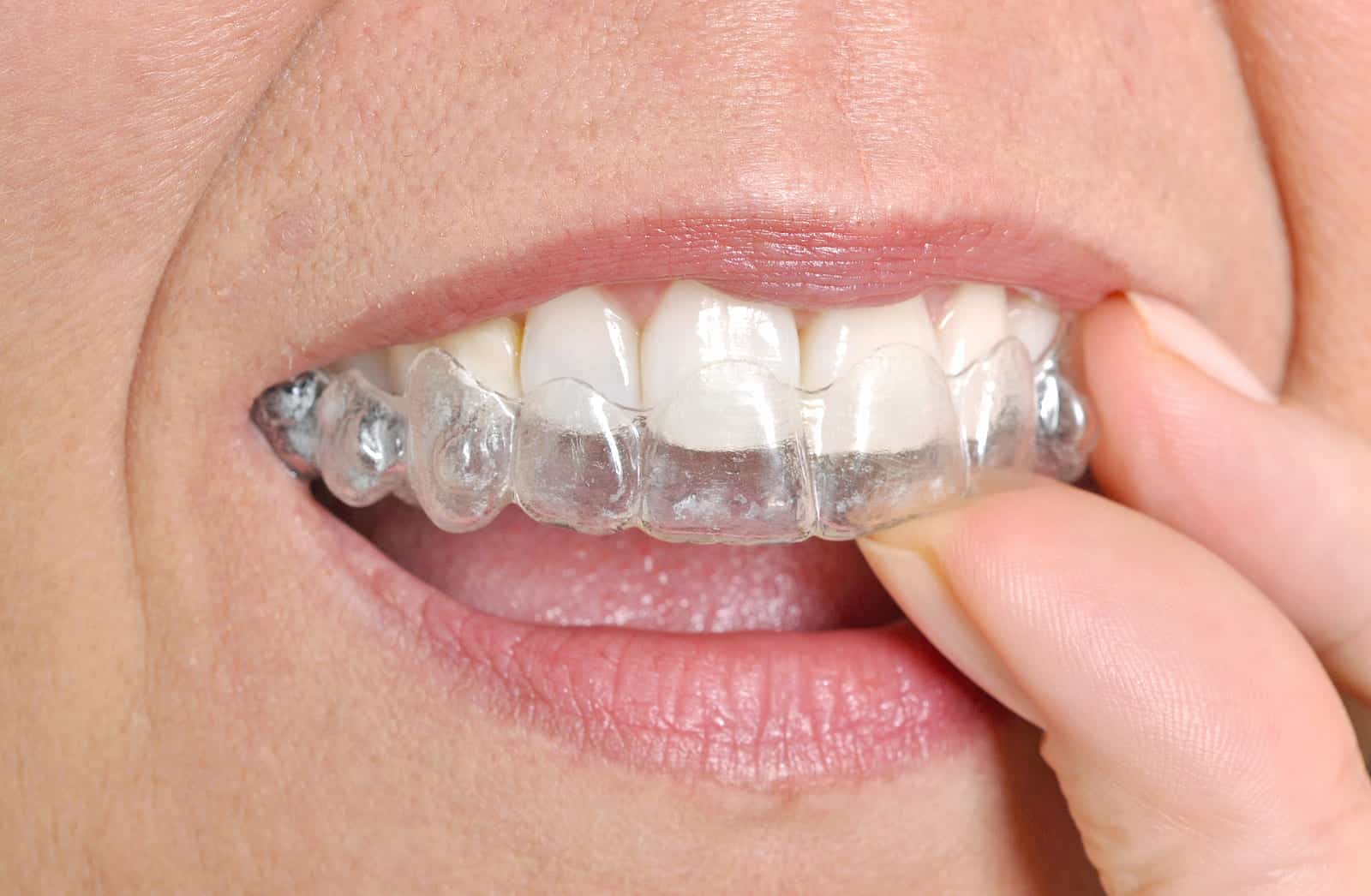
Invisalign uses a series of custom-made, clear plastic aligners that you wear over your teeth. Each set shifts your teeth slightly, and you switch to a new set roughly every one to two weeks. Because the aligners are removable, you take them out to eat, brush, and floss. For the best results, aligners should be worn 20 to 22 hours per day.
How Do Traditional Braces Move Teeth?
Braces use metal or ceramic brackets bonded to each tooth and connected by an archwire. Your orthodontist periodically tightens the wire to guide teeth into position. Braces are fixed in place, so they work continuously without relying on patient compliance, which makes them especially effective for complex movements.
Invisalign vs. Braces: Side-by-Side Comparison
This table summarizes the key differences between Invisalign and traditional braces, including appearance, comfort, maintenance, and ideal candidates. Reviewing these factors side by side can help you and Dr. Tanya Vaysman decide which approach best fits your smile goals.
| Factor | Invisalign | Traditional Braces |
|---|---|---|
| Appearance | Clear and nearly invisible | Visible brackets and wires (ceramic options blend in) |
| Removability | Removable for eating and cleaning | Fixed in place for the full treatment |
| Best For | Mild to moderate alignment and spacing issues | Complex bite, rotation, and crowding cases |
| Maintenance | Rinse aligners; brush and floss normally | Careful brushing around brackets; avoid hard, sticky foods |
By weighing appearance, lifestyle, and the complexity of your case, you can choose the option that delivers comfortable, lasting results.
Which Option Is Better for Your Lifestyle?
Your daily routine, age, and treatment goals all influence which option feels right. Consider how each choice fits the way you live.
Is Invisalign a Good Fit for Adults and Working Professionals?
For many adults, the discreet look of clear aligners is a major draw. Adult orthodontics patients often prefer Invisalign because they can present at work and social events without obvious hardware, and remove the aligners for important meetings or photos.
Are Braces Better for Teens and Complex Cases?
Braces are frequently recommended for teen patients and complex corrections because they don’t depend on remembering to wear an appliance. For younger patients or significant bite problems, the continuous force of braces can deliver more predictable results.
What Should You Expect for Cost and Treatment Time?
Cost and timeline vary based on the complexity of your case, the length of treatment, and your specific goals. Both options are an investment in long-term oral health.
- Treatment Time : Both typically range from 12 to 24 months, though mild cases may finish sooner.
- Cost : Pricing is comparable for similar cases; complex treatment may cost more regardless of method.
- Office Visits : Braces often need periodic in-office adjustments, while Invisalign uses scheduled check-ins and new aligner sets.
How Do You Choose the Right Treatment?
The best way to decide is a professional evaluation. An orthodontist can assess your bite, alignment, and goals to recommend the option that will work best for you.
What Happens During an Orthodontic Consultation?
During a consultation, your orthodontist examines your teeth and jaw, may take digital scans or X-rays, and reviews your goals. From there, you’ll get a personalized plan that explains which treatment fits your needs and what results you can expect. You can also explore patient resources from the American Association of Orthodontists.
Conclusion
When it comes to Invisalign vs. braces, both are proven, effective ways to straighten your teeth, and the best choice depends on your case and lifestyle. With personalized guidance from Dr. Tanya Vaysman, you can feel confident choosing the treatment that fits your goals and daily routine.
Ready to find out which option is right for you? Schedule your consultation to get a personalized recommendation and a clear plan for your new smile.
Call us at (201) 248-6732 to schedule your consultation at our office located at 162 Closter Dock Road, Closter, NJ, where you’ll receive personalized orthodontic care and expert support throughout your treatment journey.
Frequently Asked Questions
Is Invisalign as effective as braces?
For mild to moderate alignment issues, Invisalign can be just as effective as braces when worn 20 to 22 hours a day. For complex bite or rotation problems, braces may deliver more predictable results. An orthodontic evaluation is the best way to know which option suits your case.
Do braces or Invisalign work faster?
Treatment time depends on your specific case rather than the method alone. Both braces and Invisalign typically take 12 to 24 months, though simple corrections may finish sooner. Your orthodontist can estimate a timeline after examining your teeth.
Can adults get Invisalign or braces?
Yes. Orthodontic treatment works at any age, and many adults choose Invisalign for its discreet appearance. Braces, including tooth-colored ceramic options, are also available for adults who need more complex correction.
Which is more comfortable, Invisalign or braces?
Many patients find Invisalign’s smooth aligners more comfortable than brackets and wires, with no sharp edges to irritate the cheeks. Both can cause mild soreness when teeth shift, which usually fades within a few days of each adjustment or new aligner set.
How do I take care of my teeth with each option?
With Invisalign, you remove the aligners to brush and floss normally, then rinse the trays. With braces, you brush carefully around brackets and use tools like interdental brushes or a water flosser. Good oral hygiene protects your results with either treatment.
How do I decide between Invisalign and braces?
The best way to decide is a consultation with an orthodontist who can evaluate your bite, alignment, and goals. They’ll recommend the option that balances effectiveness, comfort, appearance, and your lifestyle.
Related at Smile Orthodontists

MEDICALLY REVIEWED BY
Dr. Tanya Vaysman, Orthodontist
Dr. Vaysman earned her degree from the University of Medicine and Dentistry of New Jersey and has more than 20 years of experience treating adolescents and adults. She provides braces and Invisalign at Smile Orthodontists in Closter, NJ.
Meet Dr. Vaysman →